
Faster, Sharper, Smarter: How Brother HGe Tapes Power High-Volume Labeling
Posted by Bryan L on 01/21/2026
Faster, Sharper, Smarter: How Brother HGe Tapes Power High-Volume Labeling
Industrial labeling environments demand more than convenience. When labels are produced at scale—often under time pressure, regulatory requirements, and harsh conditions—the materials and systems behind those labels directly affect productivity, accuracy, and long-term reliability.
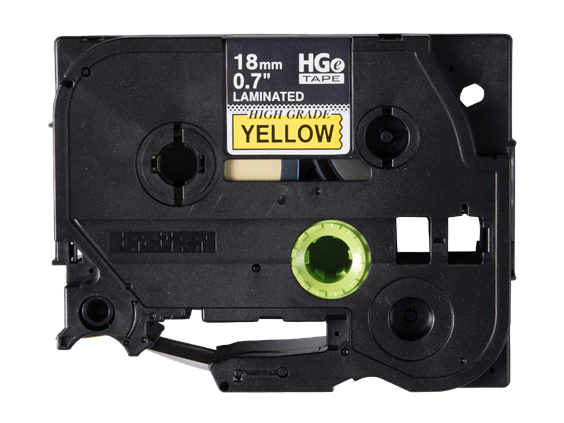 Brother HGe and HGEs tapes were developed specifically for these high-volume, high-precision environments. They are not general-purpose label tapes, and they are not intended for casual or office use. Instead, they serve a narrow but critical role: powering fast, consistent, industrial-grade labeling in select Brother P-touch systems designed for production workflows.
This guide explains what makes HGe tapes different, where they deliver the most value, and what industrial operators should consider before deploying them.
What Are Brother HGe and HGEs Tapes?
Brother HGe (High-Grade) and HGEs (High-Grade Extra Strength) tapes are specialized laminated label tapes engineered for high-speed, high-volume output in industrial environments.
Unlike standard laminated tapes such as Brother TZe, HGe tapes are optimized for:
-
Faster print speeds
-
Higher print density and edge clarity
-
Continuous, repetitive label production
-
Demanding industrial surfaces and conditions
HGe vs HGEs: What’s the Difference?
While both tapes share the same high-grade construction, there is an important distinction:
-
HGe tapes
-
High-performance laminated tape
-
Standard industrial adhesive
-
Ideal for smooth, clean surfaces where speed and clarity are priorities
-
-
HGEs tapes
-
High-performance laminated tape
-
Extra-strength adhesive
-
Designed for textured, curved, oily, or challenging surfaces
-
Both options are purpose-built for environments where labels must be printed quickly, applied once, and remain legible for the long term.
Built for Speed: Why HGe Tapes Excel in High-Volume Operations
One of the defining advantages of HGe tapes is their ability to support high-speed print engines without sacrificing quality.
Optimized for Industrial Print Mechanisms
HGe tapes use a construction that reduces feed resistance and maintains consistent tension during printing. This allows compatible industrial P-touch printers to:
-
Print labels faster than when using standard laminated tapes
-
Maintain alignment during long batch runs
-
Reduce interruptions caused by misfeeds or reprints
In high-volume environments—where hundreds or thousands of labels may be produced in a single shift—these gains compound quickly.
Ideal for Batch and Repetitive Labeling
HGe tapes are particularly effective in workflows such as:
-
Production line labeling
-
Electrical panel and enclosure labeling
-
Asset tagging during equipment deployment
-
Warehouse location and bin labeling
When labeling is part of a process rather than a one-off task, speed and consistency directly affect throughput.
Sharper Output for Dense, Critical Information
Industrial labels often carry more information than office labels. Space constraints, compliance requirements, and technical detail demand high print density and edge clarity.
Higher Print Density, Cleaner Results
HGe tapes are designed to handle:
-
Smaller font sizes without loss of legibility
-
Fine lines and symbols
-
Barcodes and QR codes with crisp edges
This is especially important for:
-
Electrical and data panel labeling
-
Patch panels and cable identification
-
Equipment ID plates and serialized labels
Blurry text or degraded barcodes can slow troubleshooting, create compliance issues, or force relabeling—none of which are acceptable in production environments.
Smarter Labeling Through Durability and Adhesion
Speed and clarity matter, but industrial labels must also last. HGe and HGEs tapes are fully laminated, providing strong protection against environmental stress.
Laminated Construction for Harsh Conditions
HGe tapes resist:
-
Abrasion and friction
-
Chemicals and cleaning agents
-
Moisture and humidity
-
UV exposure
-
Heat and cold extremes
This makes them suitable for indoor and outdoor applications, as well as environments where labels are exposed to regular handling or washdowns.
Extra-Strength Adhesion with HGEs
HGEs tapes add a more aggressive adhesive layer designed for:
-
Textured plastics
-
Powder-coated or painted metal
-
Curved surfaces
-
Industrial equipment housings
In these environments, standard adhesives may fail prematurely. HGEs tapes help reduce relabeling, saving both labor and downtime.
Industrial Use Cases Where HGe Tapes Shine
HGe and HGEs tapes are best suited for operations where labeling is integral to safety, efficiency, or compliance.
Manufacturing Facilities
-
Machine identification
-
Maintenance schedules and service tags
-
Process control labels
-
Safety and warning labels
Electrical and Data Infrastructure
-
Electrical panel directories
-
Breaker and circuit identification
-
Patch panels and rack labeling
-
Cable and wire markers
Warehousing and Logistics
-
Location and bin labels
-
Asset tracking
-
Long-term inventory identification
Facilities and Maintenance Teams
-
HVAC systems
-
Piping and valve identification
-
Equipment tracking and compliance labeling
OEMs and System Integrators
-
Consistent labeling across builds
-
Serialized and standardized outputs
-
Professional appearance for delivered systems
Printer Compatibility: A Critical Consideration
HGe Tapes Are Not Universal
HGe and HGEs tapes are only compatible with select industrial-grade Brother P-touch printers. They are not designed for:
-
Home or office P-touch models
-
Entry-level handheld units
-
PT-D, PT-H, or consumer-focused systems
Using HGe tapes requires a printer engineered to handle:
-
Higher print speeds
-
Increased print density
-
Tape feed characteristics specific to HGe construction
Always Verify Compatibility Before Purchasing
Attempting to use HGe tapes in non-compatible printers can result in:
-
Print quality issues
-
Feeding errors
-
Potential printer damage
Industrial buyers should always confirm printer compatibility before deploying HGe or HGEs tapes in their workflow.
Availability Considerations: HGe vs TZe
Unlike Brother TZe tapes—which are widely used across home, office, and light commercial environments—HGe tapes serve a much narrower market.
What This Means for Buyers
-
Fewer compatible printers
-
More specialized manufacturing runs
-
Tighter inventory levels compared to TZe
As a result, availability can be more limited than standard tapes, especially during periods of increased industrial demand.
Planning Ahead Is Recommended
For operations that rely on HGe tapes:
-
Maintain buffer inventory
-
Avoid last-minute reordering
-
Coordinate purchasing with production schedules
This is especially important for high-volume operations where downtime caused by tape shortages can be costly.
Cost vs Value: Evaluating HGe Tapes at Scale
HGe tapes typically carry a higher per-cartridge cost than standard laminated tapes. However, industrial buyers rarely evaluate labeling materials on price alone.
Lower Total Cost of Ownership
HGe tapes can reduce overall costs by:
-
Minimizing reprints
-
Reducing relabeling labor
-
Increasing production speed
-
Extending label lifespan
In environments where labor, downtime, and compliance matter, these savings often outweigh the higher initial cost.
Choosing the Right HGe Tape for Your Application
Key Factors to Consider
-
Surface type: smooth vs textured
-
Environment: indoor, outdoor, temperature extremes
-
Label density: text size, barcodes, symbols
-
Adhesion needs: standard vs extra-strength
HGe or HGEs?
-
Choose HGe for speed, clarity, and smooth surfaces
-
Choose HGEs when adhesion strength is critical
Selecting the correct tape upfront helps avoid performance issues later.
Why Industrial Buyers Source HGe Tapes from PtouchDirect
Industrial labeling solutions require more than order fulfillment. They require accuracy, compatibility knowledge, and reliable supply.
PtouchDirect supports industrial customers by providing:
-
Expertise in Brother industrial labeling systems
-
Compatibility verification before purchase
-
Support for specialized tape requirements
-
Fast, reliable shipping for critical supplies
This helps industrial teams avoid costly mistakes and keep labeling operations running smoothly.
Conclusion: Industrial Labeling Requires Purpose-Built Solutions
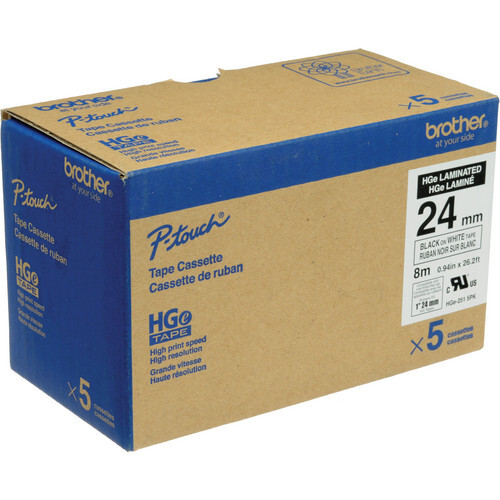 HGe and HGEs tapes are not designed for casual labeling—and that is precisely their strength. They are engineered for environments where labels must be produced quickly, read clearly, and endure demanding conditions.
For industrial operations that depend on labeling as part of their core workflow, HGe tapes offer a faster, sharper, and smarter solution—when used with the right equipment and proper planning.
Before deploying HGe or HGEs tapes, confirm printer compatibility, assess availability needs, and choose the tape that aligns with your environment. When those pieces are in place, HGe tapes deliver the performance industrial labeling demands.